Mend Loud, Wear Proud: Wool Repairs That Save What Matters
Today we dive into visible mending techniques for wool garments to eliminate textile waste, blending everyday craftsmanship with heartfelt sustainability. We will explore how strategic darning, needle felting, and expressive patches transform damage into beauty, reduce landfill methane from decomposing wool, and extend the emotional life of clothes. Bring your cardigan, your patience, and a spark of playfulness—share photos, ask questions, subscribe for tutorials, and help build a thriving community where every stitch keeps stories, resources, and warmth in circulation.
Why Repairing Out Loud Changes Everything
Visible mending reframes damage as a starting point, not an ending. By celebrating wool repairs, we slow consumption, reject disposable culture, and honor craftsmanship passed between generations. Wool is durable yet vulnerable to moths and abrasion; repairing restores function while showcasing care. Every patch you place keeps fibers in use, cuts greenhouse gases from landfilled textiles, and proves creativity can redirect habit. Wear your fixes proudly, invite conversations, and watch curiosity multiply into collective action.
From Landfill to Loved Again
When wool ends up in landfills, it can release methane as it decomposes without oxygen. A simple darn or patch diverts that garment from the dump and back into daily life. Repairing also preserves the energy, water, and skilled labor embedded in the original piece. Keep a mending basket near your sofa, make fixes during a favorite show, and savor the moment your so-called flaw becomes someone’s favorite detail.
Understanding Wool Fibers and Wear Patterns
Wool’s scaly fibers interlock, giving warmth, resilience, and a natural tendency to felt under friction, heat, and moisture. High-stress points like elbows, cuffs, and heels thin fastest, while moths target areas stored unwashed. Mapping damage reveals a story about movement and care. By reading fabric grain, stitch direction, and fiber memory, you can place reinforcements proactively, add charm where needed, and design repairs that harmonize with the garment’s drape and daily demands.
Building a Circular Closet Mindset
A circular closet prioritizes longevity, fit, and versatile styling over novelty. It welcomes repairs as design choices, tracks wear, and plans maintenance like washing, air-drying, and careful storage. Visible mending acts as joyful evidence of participation, not perfection. Document each fix, note materials used, and celebrate cost-per-wear improvements. Over time, your drawer of rescued wool becomes a personal archive of skills acquired, resources conserved, and relationships deepened through shared learning and generous storytelling.


Essential Tools and Materials for Confident Repairs
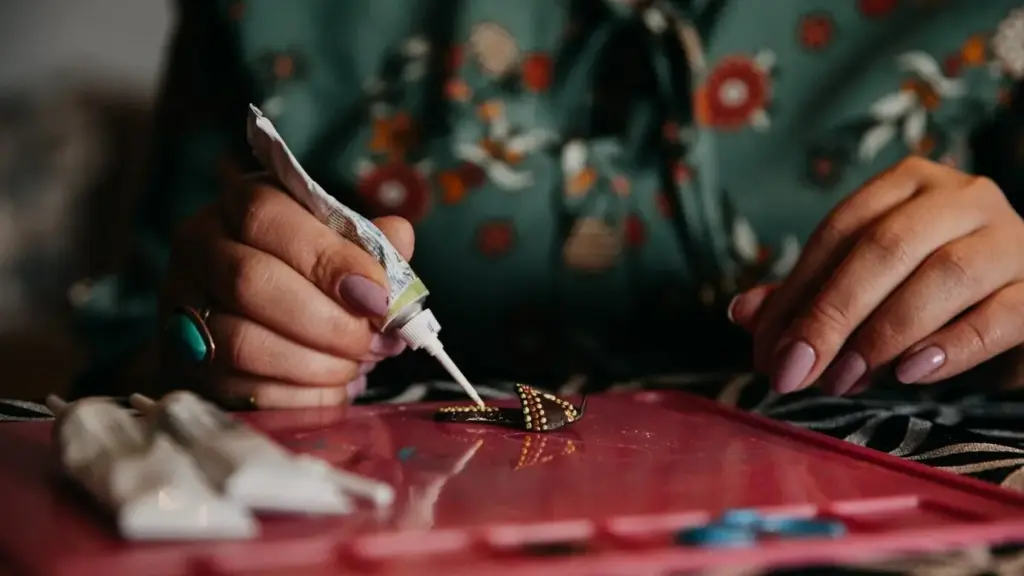
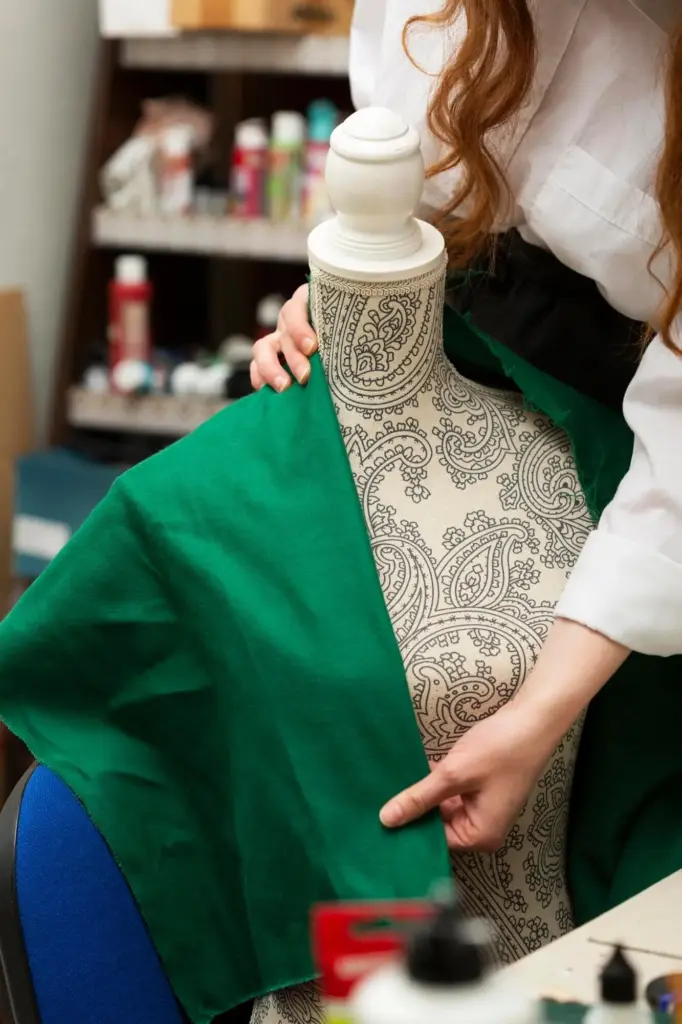
Gathering the right tools elevates results, minimizes frustration, and protects delicate fibers. Choose wool yarns or blends compatible with your garment’s weight, plus tapestry needles, a darning egg or mushroom, sharp scissors, and a needle-felting kit if you enjoy that method. Consider scrap wool fabric for patches, breathable storage for supplies, and a magnifier for precise work. With thoughtful preparation, you can move from hesitation to flow, creating strong, handsome fixes that invite closer admiration.

Core Techniques You’ll Reach For Again and Again
Master a few adaptable skills and you can handle most wool repairs with confidence. Classic woven darning recreates missing fabric using warp and weft stitches. Needle felting binds loose fibers into sturdy patches without seams. Patching with woven or knit scraps reinforces high-stress zones while adding personality. Each method has a distinct look and feel, and choosing thoughtfully balances durability with comfort. Practice on thrifted swatches first, then graduate to cherished sweaters and coats.
Color Theory for Courage and Harmony
Begin with the garment’s undertones: cool charcoals pair with icy pinks and teals, while warm browns sing beside mustard and rust. Use complementary contrasts to spotlight a fix or analogous hues for serenity. Small neon accents can energize neutrals without overwhelming. Swatch against the actual knit under natural light because bulbs skew perception. Keep notes on combinations that sparked delight. Confidence grows each time a brave choice transforms a weak spot into a magnetic, conversation-starting detail.
Motifs, Grids, and Lines That Guide the Eye
Grids from woven darning introduce rhythm, while running stitches trace gently curved paths around elbows, reminiscent of contour maps. Tiny icons—sprigs, raindrops, or simple stars—personalize patches without complicating technique. Arrange lines to echo garment architecture, like ribbing or seam directions, so repairs feel integrated. If asymmetry charms you, balance it by repeating colors elsewhere. Thoughtful composition ensures the viewer reads intention first, not damage, discovering layers of story upon every closer look and touch.
Care Before and After the Stitching
Preparation and follow-through make or break a repair. Clean gently to remove oils and moth attractants, block to correct shape, and assess fiber condition before choosing techniques. After mending, weave in ends thoughtfully, steam or wet-block to set structure, then store with cedar or lavender to deter pests. Periodic inspections reveal thinning early, turning potential crises into calm evenings of stitching. Treat care as ongoing collaboration with your clothes, extending warmth, fit, and emotional connection through many seasons.

Community, Learning, and Sharing the Journey
Repairing in company multiplies courage and creativity. Host a living-room mend-along, swap scrap yarns, or contribute to local clothing libraries. Share before-and-after photos, document techniques, and invite constructive feedback. Teachers, parents, and librarians can seed skill-building workshops that connect generations. Your story might inspire someone to save a beloved sweater instead of buying another. Comment with questions, subscribe for step-by-step guides, and join challenges that celebrate progress over perfection, because collective practice changes wardrobes—and waste systems—faster.
All Rights Reserved.