Cut Without Patterns: Turn Old Wool Coats into Lasting Accessories

Give forgotten wool coats a second life using patternless cutting methods that favor intuition, drape, and smart measuring over templates. We’ll explore how to map shapes directly on fabric, preserve beautiful details like pockets and lapels, and craft scarves, bags, mitts, and more with confident, freehand moves. Expect practical techniques, lively stories, careful safety notes, and encouragement to share your results and questions with our growing community.

Know Your Cloth: Reading Wool Before the First Cut

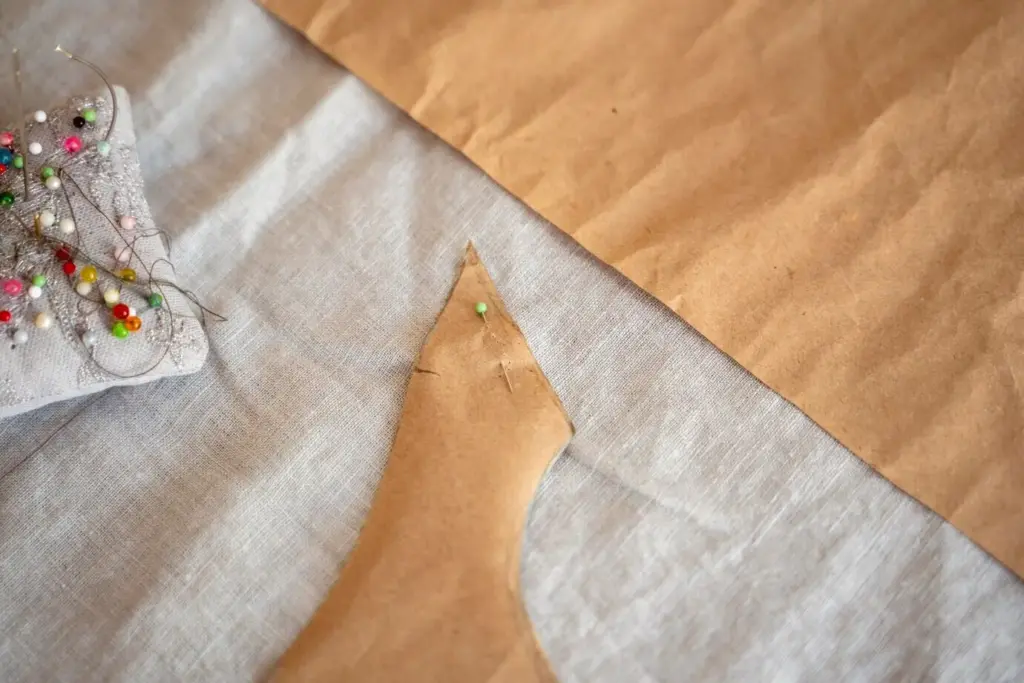
Old wool carries history in its weave, nap, stretch, and felting potential, and understanding those qualities helps every freehand cut land with purpose. Learn to assess thickness, previous wear, and lining construction, then decide what to keep intact, what to reshape, and what to reinforce. With careful pressing, steam shrinking, and chalk mapping, you’ll unlock graceful curves and clean lines without relying on paper guides.

Harvesting Notions and Hardware

Vintage buttons, leather-backed snaps, and sturdy zippers become instant stars on bags, pouches, and scarves with looped closures. Clean them gently, match metals for a cohesive look, and position them as focal points. Salvaged belt loops transform into tidy strap anchors, while coat hooks reinvent themselves as clever key keepers, giving every project an unmistakable lineage and sustainable sparkle.

Preserving Signature Details

A distinguished lapel, perfectly shaped pocket welt, or beautiful cuff tab deserves center stage in your next accessory. Cut around these features with a generous margin, then re-square edges after pressing. Integrated as exterior pockets, flap accents, or scarf ends, they carry memories forward. You’ll craft pieces that feel designed rather than recycled, precisely because they showcase the artistry already present.

Freehand Warmth: Scarves, Cowls, and Wraps Without Templates

Accessories that drape around the neck are particularly forgiving for intuitive cutting, letting curves, tapered ends, and asymmetry shine. Use long coat back panels for generous wraps and narrower sleeves for chic, compact cowls. Lean on edge steaming to stabilize, stitch sparsely where needed, and highlight heritage through preserved labels or hand-stitched initials, inviting compliments and conversations wherever you wander this winter.

Carry It Forward: Bags, Pouches, and Structured Pieces by Eye

The Straight-Line Tote

Use the coat’s back for the body, keeping the original hem as a polished bottom edge. Mark two long handles freehand, doubling layers for strength. Stitch side seams inside out, then topstitch for durability. Drop a former interior pocket against the lining for organization. This minimalist build proves that confident straight cuts and thoughtful layering achieve long-lasting, no-nonsense utility.

Curved Flap Crossbody

Sketch a gentle arc for the flap and mirror it by folding the fabric to ensure symmetry without paper guides. A salvaged belt becomes an adjustable strap; pocket welts evolve into magnetic-snap landings. Curve-friendly steaming stabilizes the edge. The finished silhouette balances softness and structure, perfect for daily essentials while broadcasting a quiet, resourceful elegance learned through attentive, hands-on making.

Protective Tech Sleeves

Wool’s natural bounce and insulation cradle tablets and e-readers beautifully. Trace the device silhouette with a generous margin for seams, then round corners for snag-free use. Line with the coat’s satin and repurpose a blazer hook for closure. Subtle quilting along stress paths adds form and visual rhythm, turning rescue materials into dependable guardians for modern tools.

Edging, Closures, and Invisible Strength: Finishing That Lasts

Patternless projects shine when edges lie flat, corners behave, and closures feel intuitive. Choose from clean raw edges on stable felted wool, narrow zigzags that barely show, or fold-over bindings cut from lining remnants. Anchor straps with hidden patches, place snaps on reinforced welts, and topstitch intentionally. These understated choices elevate durability, comfort, and the tactile pleasure of everyday use.

Sustainability, Sentiment, and Sharing Your Wins

Repurposing wool is both ecological and emotional, preserving stories inside useful objects. A moth-nibbled coat from a grandparent can become winter accessories that accompany you daily, carrying warmth beyond temperature. Share progress photos, ask questions, and swap tips about chalk mapping, steaming, and finishing. Subscribe for fresh maker challenges, and tell us what you transformed so we can cheer your ingenuity together.

From Closet Burden to Daily Companion

We often keep old coats for memories, not utility. By turning them into scarves, bags, or mitts, we allow those memories to travel with us again. Each freehand cut renews connection, replacing guilt with gratitude. Highlight your before-and-after moments and inspire others who hesitate, showing that sentiment can coexist beautifully with resourceful, modern craftsmanship that respects every fiber’s past.

Waste Less, Celebrate More

Use sleeves for small pouches, cuffs for cable wraps, and tiny remnants as button shanks or appliqués. Keep a scrap jar for patches and repairs, proving nearly everything can serve again. This practice saves money, reduces landfill pressure, and builds a maker’s mindset. Share your thriftiest triumphs with us, and we’ll compile community spotlights to spread practical joy far and wide.
Zeraxariteli
Privacy Overview

This website uses cookies so that we can provide you with the best user experience possible. Cookie information is stored in your browser and performs functions such as recognising you when you return to our website and helping our team to understand which sections of the website you find most interesting and useful.