
From Scraps to Strength: Reinventing Wool in the Factory

Today we dive into industrial reuse of wool offcuts, charting how disciplined collection, precise sorting, and advanced felting transform factory scraps into high-value felt with beauty, durability, and measurable impact. Expect practical methods, lived stories from production floors, clear standards guidance, and ways your team can participate, share data, and shape the next generation of circular, profitable, and proudly traceable wool products that earn trust from engineers, designers, and everyday customers alike.

Supply Chains That Close the Loop

{{SECTION_SUBTITLE}}
Mapping the Flow of Fiber Waste

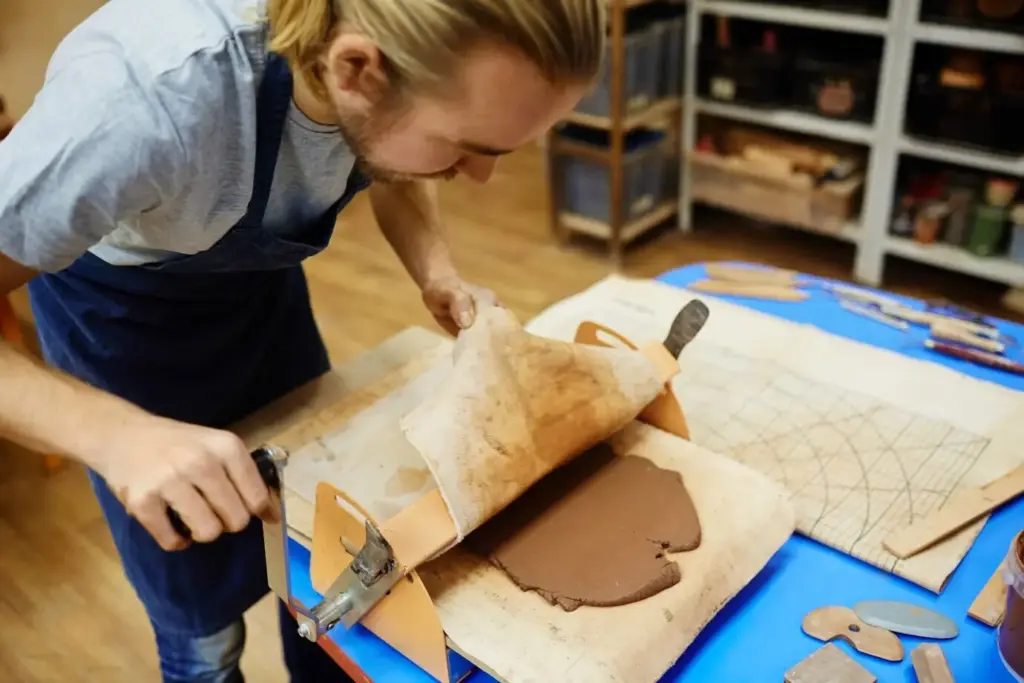
Begin with a floor-by-floor audit that records cut patterns, fiber blends, micron ranges, colors, and moisture content. Photograph collection points, tag bags with lot IDs, and log daily volumes. Small details matter: a swept corner might hide premium merino edges, while a blend bin might hold recurrent nylon stitch threads that require pre-sorting, ensuring each kilogram heads to the right downstream path without surprises or costly rework later.

Partnering with Mills and Brands

Winning partnerships form when mills, converters, and brands align on predictable pickups, bale densities, and contamination thresholds. Offer transparent yield reports after each run so partners see offcut-to-felt conversion in real numbers. Invite their engineers to witness carding and needle lines, turning skepticism into advocacy. When stakeholders feel ownership of the process, they maintain purity at the source and champion the felt in specifications, packaging, and storytelling.

Engineering Premium Felt from Heterogeneous Offcuts

Sort incoming wool using quick tactile checks supported by micron test cards or handheld sensors. Group fine merino edges for soft, dense felts and coarser crossbreds for rugged structural layers. Remove long sewing threads and paper labels early to protect needles. Keep a color ledger to reduce overdye requirements. By stabilizing inputs, you reduce variability at the web former, enabling tighter density targets and fewer rejects on demanding industrial orders.
Experiment with pre-opening passes, licker-in speeds, and web layering angles to balance strength and handfeel. Incrementally adjust needle bar density and penetration depth while logging power draw and fiber migration. Multi-stage needling with cross-lapped webs can fuse diverse micron ranges into coherent sheets. Finish with calibrated heat and pressure to refine surface integrity. Document each setting against performance tests, building a living playbook that operators can repeat across seasons and shifts.
Aim for mechanical strength first, then consider minimal chemistry when specifications require stabilization or water repellency. Explore bio-based emulsions and low-formaldehyde auxiliaries that respect wool’s breathability. Test compatibility with lanolin residues and ensure finishes do not hinder recyclability. Maintain closed-loop water practices, monitor COD loads, and favor modular steps you can turn off when not needed. Customers increasingly reward materials that deliver performance with restraint, transparency, and clean discharge reports.

Economics That Make Sustainability Scalable

Circularity survives only when it pays its own way. Model costs from on-floor collection to bailing, transport, scouring, and finishing, then compare against virgin inputs and landfill fees. Tracking yields by source unlocks pricing tiers and fair incentives. With predictable volumes, you can negotiate energy rates, plan maintenance, and meet delivery windows. The result is felt that competes on both performance and price, backed by reliable margin structures and honest forecasts.

A Factory’s Quiet Revolution in Acoustics

An automotive plant struggling with reverberation installed layered panels made from its own offcuts. After a weekend retrofit, supervisors reported clearer instructions and less fatigue during peak hours. Facility managers loved the clean installation and fire-safe ratings. Visitors were surprised to learn the panels came from yesterday’s trim waste, now dignified as durable, handsome surfaces that could be repaired, repurposed, and one day recycled again without fuss or landfill fees.

Footbeds That Outlast Foam

A small shoe brand prototyped felt footbeds using mid-micron blends for balanced resilience and breathability. Wear tests showed reduced compression creep compared to commodity foams, especially in humid climates. Customers described a cooler, drier ride and a subtle softness under load. The brand switched half its line within a season, then published care guides, inviting buyers to replace footbeds rather than entire shoes, extending product life while deepening loyalty and repeat sales.

Standards, Certifications, and Honest Claims

Clear claims build confidence. When using offcuts, you are typically working with pre-consumer recycled inputs that may qualify for Global Recycled Standard chain-of-custody if certified parties handle every transfer. Responsible Wool Standard applies to virgin wool and should not be confused with recycled content. Maintain paperwork, avoid overstated impact numbers, and favor accessible labels that teach buyers exactly what is recycled, how it was processed, and why it performs so reliably.

When to Use GRS and What It Proves

GRS validates recycled content and chain-of-custody, not performance or animal welfare. If every actor in your chain is certified and documentation is airtight, you can carry the claim. If a link breaks, keep the story transparent without the logo. Pair GRS with lab results and process photos so customers understand both the proof of origin and the evidence of quality, avoiding confusion while reinforcing trust at each purchase decision.

Documenting Post-Industrial vs. Pre-Consumer

Be precise: post-industrial often describes internal production scraps before consumer use, while pre-consumer can include broader manufacturing byproducts. Record sources, dates, and blend notes on each bale. Keep reject logs for contaminated loads and corrective actions. Consistency pays dividends when auditors visit and when marketing teams craft packaging copy. Clear definitions reduce disputes, protect credibility, and help your partners articulate value without slipping into vague, legally risky language that undermines everyone.

Operations: Clean, Efficient, and Safe

Water, Heat, and the Art of Scouring

Dial in temperature, pH, and residence time to lift soils without damaging scales. Counterflow rinses reduce consumption while maintaining clarity. Install screens and dissolved air flotation where needed to meet permits. Train operators to read the bath like seasoned baristas reading espresso: color, foam, and smell tell stories. A tight scouring loop elevates everything downstream, from carding consistency to dye uptake, while shrinking the footprint customers increasingly ask you to disclose.

Capturing Lanolin and Reusing Heat

Lanolin is value hiding in plain sight. Skim, filter, and refine it for cosmetics or lubrication markets, turning effluent into income. Plate heat exchangers reclaim warmth from outgoing streams, lowering bills and stabilizing process temperatures. Publish monthly dashboards showing savings and reinvest a portion into worker programs. This virtuous cycle makes sustainability tangible, translating spreadsheets into cleaner air, quieter pumps, and shared wins that teams can celebrate on shift boards.

Dust Management and Worker Wellbeing

Install localized extraction at openers, carders, and trimming tables, and test airflow regularly. Provide comfortable, well-fitted masks and rotate tasks to reduce strain. Natural light, tidy aisles, and labeled tools sharpen attention and pride. Offer micro-break stretches and celebrate safety near-misses as learning moments. When people feel protected and respected, quality rises, scrap falls, and your best operators become your best recruiters, attracting peers who value craftsmanship as much as pay.

Community, Culture, and Customer Engagement

Materials carry meaning. Invite readers to share photos of products cushioned, quieted, or elevated by recycled wool felt. Host open days, publish behind-the-scenes reels, and co-create prototypes with students and artisans. Encourage comments, questions, and material requests, then fold that feedback into new blends and densities. Subscribe for field notes, case studies, and sourcing calls, and help steer this living, collaborative experiment toward better performance, lower impact, and deeper human connection.
Zeraxariteli
Privacy Overview

This website uses cookies so that we can provide you with the best user experience possible. Cookie information is stored in your browser and performs functions such as recognising you when you return to our website and helping our team to understand which sections of the website you find most interesting and useful.